Two legitimate paths to a stronger pelvic floor
Both pelvic floor physical therapy (PFPT) and Emsella are evidence-informed ways to strengthen a weakened pelvic floor, and neither is a gimmick. PFPT is hands-on, individualized rehabilitation guided by a specialist therapist. Emsella is a technology that delivers thousands of supramaximal pelvic floor contractions while you sit fully clothed on a chair. They approach the same muscles from different angles, and understanding those angles is how you figure out which one, or which combination, fits your situation.
What pelvic floor physical therapy does
A pelvic floor physical therapist assesses your muscles directly, identifies whether they're weak, too tight, poorly coordinated, or all three, and builds a tailored program. That may include teaching proper contraction, releasing overly tense muscles, biofeedback, and retraining how the pelvic floor works with your breathing and core. Its great strength is individualization and its ability to address coordination and tension problems, not just weakness. For pain-driven or dysfunction-driven cases, PFPT reaches things a strengthening device alone doesn't.
What Emsella does differently
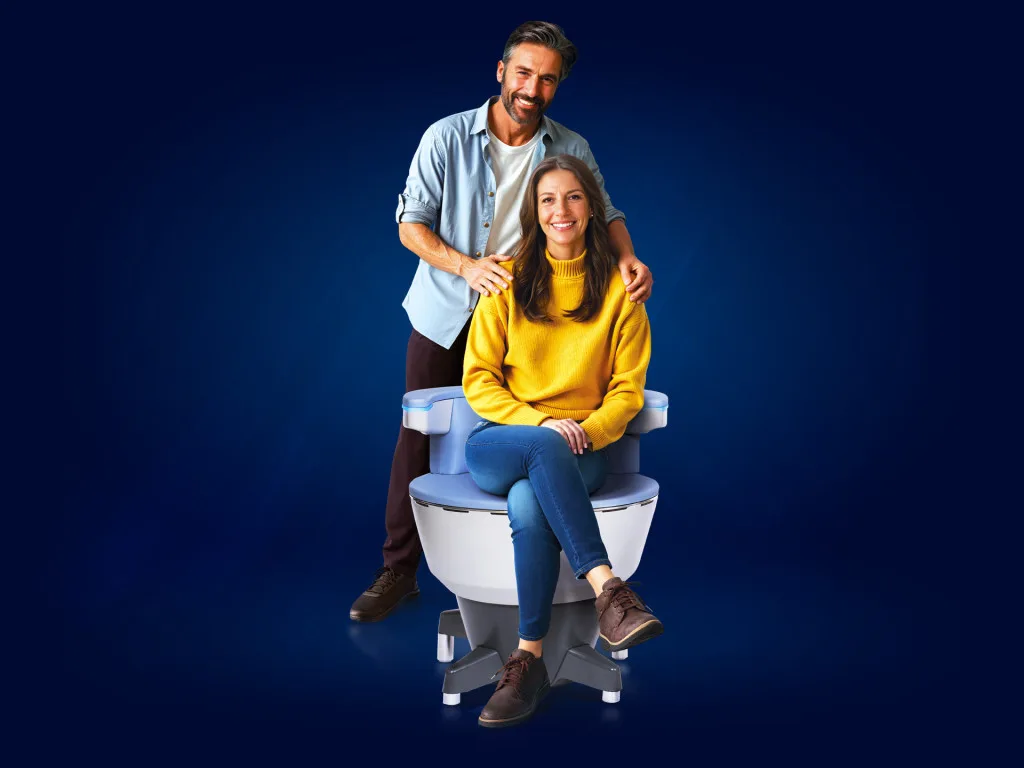
Emsella's advantage is raw, effortless intensity. A single 28-minute session generates roughly 11,000 supramaximal contractions, a volume and strength of pelvic floor work most patients could never produce voluntarily, and far beyond what home kegels achieve. There's nothing to learn and no technique to get wrong; you sit clothed and the device does the work. For patients whose core problem is genuine muscle weakness, including those who struggle to perform kegels correctly on their own, that hands-off maximal stimulation is exactly the gap Emsella fills.
When to lean toward each
Lean toward physical therapy when your issue involves pain, muscle tightness, poor coordination, or a complex history that needs individualized hands-on assessment, PFPT is built for nuance. Lean toward Emsella when the main problem is weakness and stress-type leakage, when you've tried kegels without results, or when the convenience of a clothed, no-effort, no-homework treatment is what will actually keep you consistent. Many patients gravitate to Emsella precisely because adherence to a home program was their sticking point.
Why it's often not either/or
These two approaches frequently work best together rather than in competition. Emsella can rapidly build strength and re-educate the neuromuscular pathways, while physical therapy addresses coordination, tension, and the functional patterns that keep the improvement. For a patient with both weakness and coordination issues, combining a course of Emsella with PFPT can produce better results than either alone. Framing them as rivals misses how naturally they complement each other.
Getting the right recommendation
The right answer depends on what's actually driving your symptoms, which is why an assessment matters more than a default. At Bromberg Wellness we'll talk through your symptoms and history and give you an honest recommendation (Emsella, a referral toward pelvic floor physical therapy, or a combination) based on your situation rather than on what we happen to offer. Strengthening the pelvic floor is the goal; the right tool is whichever one, or ones, your body actually needs.
Wondering if Emsella is right for you?
Every consultation at Bromberg Wellness is doctor-supervised, free, and pressure-free. We'll tell you honestly whether you're a fit.